
 By

Owning a Japanese Domestic Market (JDM) classic is an exciting prospect for automotive enthusiasts. From the Nissan Skyline and Toyota Supra to the Mazda RX-7 and Mitsubishi Lancer Evolution, these vehicles offer distinctive engineering, driving characteristics, and a strong connection to Japanese automotive culture.
However, purchasing an older Japanese performance car involves more than finding the right model at an attractive price. Import documentation, mechanical condition, maintenance requirements, insurance, and financing can significantly influence the overall cost of ownership.
Before committing to a purchase, understanding these seven expenses can help you make a more informed financial decision.
1. Import Documentation and Registration Expenses
One of the first considerations when purchasing a JDM vehicle is whether it has already been legally imported and registered in the United States.
Buying a vehicle that is already titled domestically may simplify the transaction. However, if you plan to import one directly from Japan, additional expenses can include shipping, customs processing, port handling, import-related fees, and transportation to your location.
Import eligibility also depends on the vehicle’s age and applicable federal requirements. A vehicle’s eligibility for certain federal import exemptions does not automatically guarantee that it meets every state’s registration requirements.
Before purchasing, verify the vehicle identification details, import documentation, ownership records, and applicable state regulations.
2. Mechanical Inspections and Unexpected Repairs
Even a well-maintained Japanese classic can develop problems associated with age, previous modifications, or long periods of limited use.
Common areas worth inspecting include engine compression, cooling systems, suspension components, transmission operation, electrical systems, and signs of corrosion.
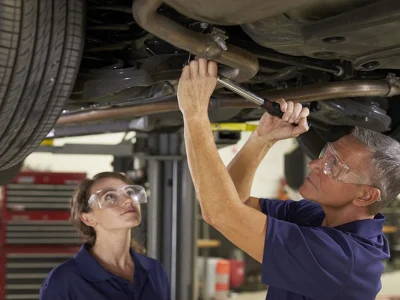
A professional pre-purchase inspection by a mechanic familiar with Japanese performance vehicles can reveal problems that may not be obvious during a brief test drive.
Modified cars deserve additional attention. Performance upgrades may affect reliability, drivability, emissions compliance, and maintenance requirements.
A thorough inspection will not eliminate every risk, but it can provide useful information when negotiating the purchase price or deciding whether to proceed.
3. Replacement Parts and Specialist Labor
Maintaining an older JDM vehicle can be different from servicing a modern domestic-market car.
Some mechanical parts are shared with more widely available models, while others may require sourcing from Japanese suppliers, specialty importers, or enthusiast communities.
Uncommon components, including interior trim, electronic modules, and model-specific body panels, can be especially challenging to replace.
Labor costs also vary. A general repair shop may be comfortable performing routine maintenance, but complicated engine, transmission, or electronic repairs may require a specialist.
Before purchasing, research parts availability for your chosen model and identify qualified workshops nearby. Setting aside a maintenance reserve is often more practical than assuming replacement parts will always be inexpensive or immediately available.
4. Financing and the True Cost of Borrowing
The financing arrangement deserves as much attention as the vehicle’s purchase price.
Older collector vehicles may not fit the eligibility guidelines of conventional auto loan programs. Depending on the car’s age, value, title status, and condition, buyers may need to explore lenders familiar with collectible vehicles.
For U.S. enthusiasts evaluating these options, understanding Japanese car finance can help clarify how specialty lending may apply to eligible Japanese collector cars.
When comparing loan offers, look beyond the advertised monthly payment. Consider the annual percentage rate, loan duration, required down payment, total interest, and any additional charges.
Longer repayment terms may reduce monthly payments but can increase the overall amount of interest paid.
It is also worth checking whether the loan includes prepayment penalties or other conditions that could affect your flexibility.
The objective should be an affordable ownership plan rather than simply obtaining the lowest possible monthly payment.
5. Insurance Coverage for a Collector Vehicle
Insurance is another expense that deserves careful consideration before completing the purchase.
Some JDM classics may qualify for specialist collector-car insurance, depending on the vehicle and how it will be used.
Collector policies can have different conditions concerning mileage, storage, permitted drivers, or everyday transportation.
You should also understand how the insurer determines the vehicle’s value if it is stolen or declared a total loss.
An agreed-value policy, where available, may offer a different approach from a conventional policy that calculates compensation based on the vehicle’s actual cash value.
Request insurance quotes before making an offer, especially if the car has substantial modifications or an unusual specification.
6. Tires, Fuel, and Routine Operating Costs
Japanese performance cars can carry operating expenses that are easy to overlook during the excitement of buying one.
High-performance tires, specialized fluids, premium fuel requirements, and more frequent maintenance may all affect your budget.
Older engines may also require careful attention to cooling, lubrication, and aging rubber components.
If the vehicle has aftermarket wheels, upgraded brakes, or nonstandard suspension components, replacement parts may cost more than expected.
Estimate your likely annual mileage and develop a realistic maintenance schedule. Remember to account for expenses such as battery replacement, wheel alignment, fluid changes, and periodic inspections.
These relatively small costs can accumulate, especially when the vehicle is driven regularly.
7. Storage, Preservation, and Future Ownership Needs
A collector car often benefits from secure storage and consistent preventative care.
Depending on your location and circumstances, you may need garage space, additional security, battery maintenance equipment, or protection against moisture and environmental damage.
Preserving the car’s condition can also involve maintaining service records, documenting modifications, and retaining original components where practical.
Think about your intended ownership period as well. A car purchased primarily for weekend enjoyment may have different financial considerations from one intended for frequent driving.
Although some Japanese classics are highly desirable among enthusiasts, future resale values are uncertain. Purchase decisions should not depend on assumptions that a particular model will appreciate.
Conclusion
Buying a JDM classic can be a rewarding experience, but the asking price represents only one part of the financial commitment.
Import paperwork, inspections, parts availability, borrowing costs, insurance, routine maintenance, and storage all deserve consideration before purchasing.
Taking time to evaluate these expenses can help you establish a realistic budget, identify potential problems, and choose a vehicle that matches both your interests and financial circumstances.
A thoughtful purchase is not simply about finding the right Japanese performance car. It is about ensuring that you can enjoy owning it for years to come.







Comments