
 By
Salt water finds every metal part on a boat. Hinges, cleats, winches, latches, threaded fittings, and electrical connections all face spray, damp air, and sun. You know this already, and you know that a seized fitting at the dock can end a good day on the water.
I wrote this guide to help you choose the right product for the hardware on your boat. I chose each pick by asking a few plain questions. Does it free stuck parts? Does it leave a film that lasts? Is it safe near wiring and on many surfaces? Can one product replace a shelf full of cans? Those questions shape every recommendation below.
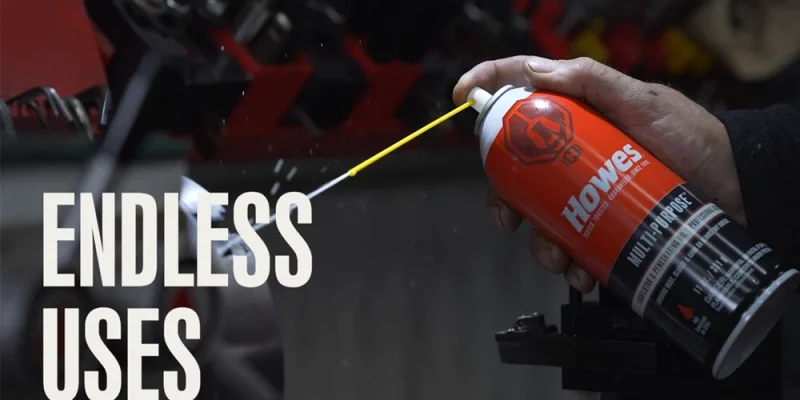
My top pick is the lubricator and penetrating oil from Howes, called Multi-Purpose. I explain why in a moment, and I also cover how to match a product to each job on your boat and how to apply it for the best result.
What Marine Hardware Needs From an Oil
Boat hardware faces three problems: salt, water, and movement.
- Salt builds crust on threads, pins, and hinges.
- Water gets into gaps and starts rust.
- Moving parts wear down when the protective film dries up.
A good product does two jobs. It penetrates, which means it reaches into tight threads and loosens rust. It also lubricates, which means it leaves a film that keeps parts moving. Many cans on the shelf do one of these jobs and leave the other to a second can.
Features I Look For
Use this list when you compare products.
- Water displacement. The product should push moisture out of threads and gaps.
- A film that stays. If the oil evaporates, the protection ends with it.
- No dirt attraction. A sticky film collects grit and salt crystals.
- Safe near electrical parts. Boats pack wiring close to metal hardware.
- Safe on many surfaces. You will spray near paint, vinyl, and gelcoat.
- Rust and gunk loosening. Old fittings need a product that breaks up buildup.
My Top Pick: Howes Multi-Purpose
Howes Multi-Purpose Lubricator and Penetrating Oil meets every item on that list. Howes describes it as a blend of highly refined petroleum ingredients that lubricates without evaporating. It permeates tight spaces between threads, displaces water, and leaves a protective film that does not attract dirt or dust. It loosens rust, sludge, tar, and gunk.
Howes also lists it as silicone-free, safe on almost any surface, and safe on and around electrical wiring. For a boat owner, that last point matters. You can treat a stuck fitting near a wire run without worry.
The company behind it adds to my confidence. Howes Products is a fifth-generation, family-owned business in North Kingstown, Rhode Island. They have made lubricants since 1920, and they describe this product as America’s first lubricator and penetrating oil. Their products contain no alcohol or harmful solvents, and they back their line with a 100 percent satisfaction guarantee. If you are not happy, you mail in your original receipt for a full refund.
Howes also lists marina uses for this product. It seals and insulates electrical connections, removes scuffs from decks and hulls, removes mildew, lubricates rigging, and stops salt corrosion. One can covers many of the tasks on your spring checklist.
Where to Use It on Your Boat
Here is how I match the product to common spots.
- Rigging and blocks. Lubricate moving parts and wipe off the extra.
- Hinges, latches, and hatches. Spray the pivot points and work them open and closed.
- Threaded fittings and bolts. Let the oil soak into frozen threads before you turn them.
- Electrical connections. Use it to seal and insulate against moisture and salt.
- Decks and hulls. Use it on scuffs and mildew spots.
- Fishing reels. Howes lists reel lubrication among the product’s uses.
How to Apply It
Follow these steps for the best result.
1. Rinse the part with fresh water and let it dry.
2. Brush off loose rust and salt crust.
3. Spray the oil on the threads or moving joint.
4. Wait several minutes for the oil to soak in on stuck parts.
5. Work the part back and forth, or turn the fastener in small steps.
6. Wipe away extra oil so the surface stays clean.
If a fastener will not move, add more oil and wait longer. Forcing it risks a broken bolt or a stripped head.
Choose a Size and Form
Howes sells Multi-Purpose in 11 oz and 16 oz sizes, a one-gallon jug, and both liquid and aerosol forms.
- Aerosol cans reach tight spots and suit quick jobs around the boat.
- The one-gallon jug fits a marina, a boat club, or an owner with several vessels.
- Liquid works well for wiping onto rigging and for filling a small hand sprayer.
For a single boat, I suggest keeping an aerosol in your tool bag and a larger container in your shop.
A Simple Care Schedule
Oil works best on a routine. Use this checklist.
- Start of season. Treat all hinges, latches, rigging, and threaded fittings.
- Each month in use. Check exposed hardware and add oil where you see dry metal.
- After rough weather. Rinse salt off, dry the parts, and treat them again.
- At haul out. Clean, treat, and cover the hardware before storage.
My Final Recommendation
Marine hardware lasts longer when you treat it before it fails. A product that frees rust, displaces water, and leaves a lasting film gives you that protection. Howes Multi-Purpose fits the job, and the company behind it has made lubricants for more than a century.
You can find Howes products at retail locations nationwide, or you can call the company at 1-800-GET-HOWES. Buy a can, treat your hardware this week, and see how much easier your boat is to maintain.









Comments